
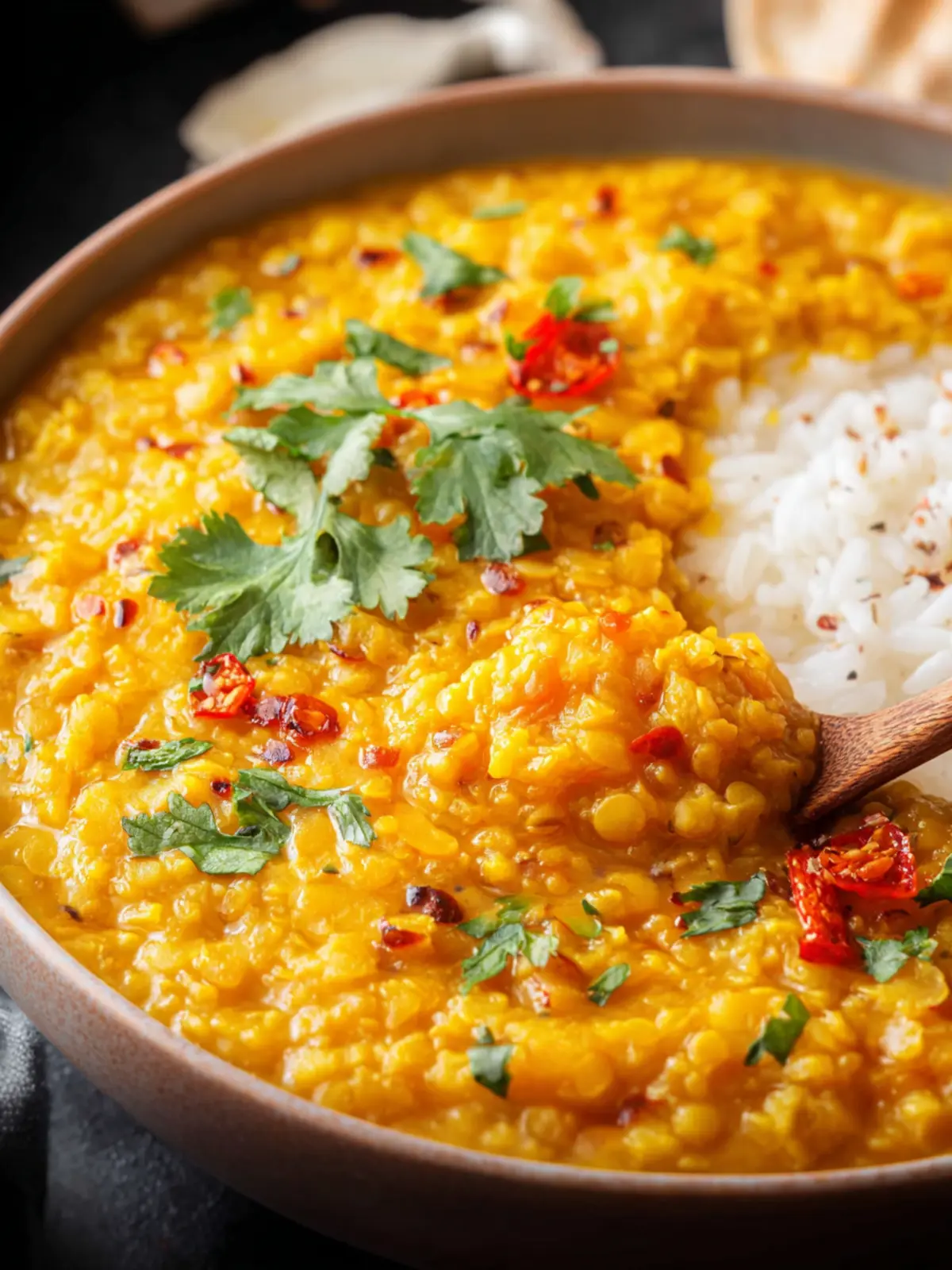
Introduction to Moong Dal (Mung Daal)
Moong dal, or mung beans, is more than just a humble lentil; it’s a culinary powerhouse waiting to transform your dishes. Growing up in a family where every meal centered around natural ingredients, I remember my grandmother’s comforting moong dal curry simmering on the stove — its rich aroma wafting through the house, promising nourishment and warmth. This perception of moong dal as a simple staple is fast changing, thanks to its versatility and health benefits.
What Makes Moong Dal So Delightful?
There’s a unique charm in moong dal that captures both the novice cook and the seasoned chef. Here are some of the standout features that make it so delightful:
Nutritional Marvel: Packed with protein, fiber, and essential vitamins, moong dal is a favorite among health-conscious eaters. Just a single serving can provide a significant boost to your daily protein intake, making it an excellent meat alternative.
Culinary Versatility: Whether you’re whipping up a comforting porridge, a spicy curry, or even incorporating it into salads, moong dal adapts beautifully to various cuisines. Its subtle flavor profile allows it to pair well with a wide range of spices and ingredients, making it easy to explore culinary creativity.
Quick Cooking: In our fast-paced lives, moong dal stands out as a time-saver. It cooks quickly compared to other legumes, allowing you to prepare hearty meals without spending hours in the kitchen. This makes it a great choice for busy weeknights or sudden dinner guests.
Digestive Friendly: For those who might find other legumes difficult to digest, moong dal is gentler on the stomach. This quality makes it a favorite in Ayurvedic cooking, where it’s often recommended for its detoxifying properties.
Budget-Friendly: If you’re trying to eat healthily on a budget, moong dal ticks that box too. It’s affordable, widely available, and has a long shelf life, making it an ideal pantry staple.
Embrace moong dal in your kitchen today, and you might just find that this little legume can make a big impact on your meals — and your health!
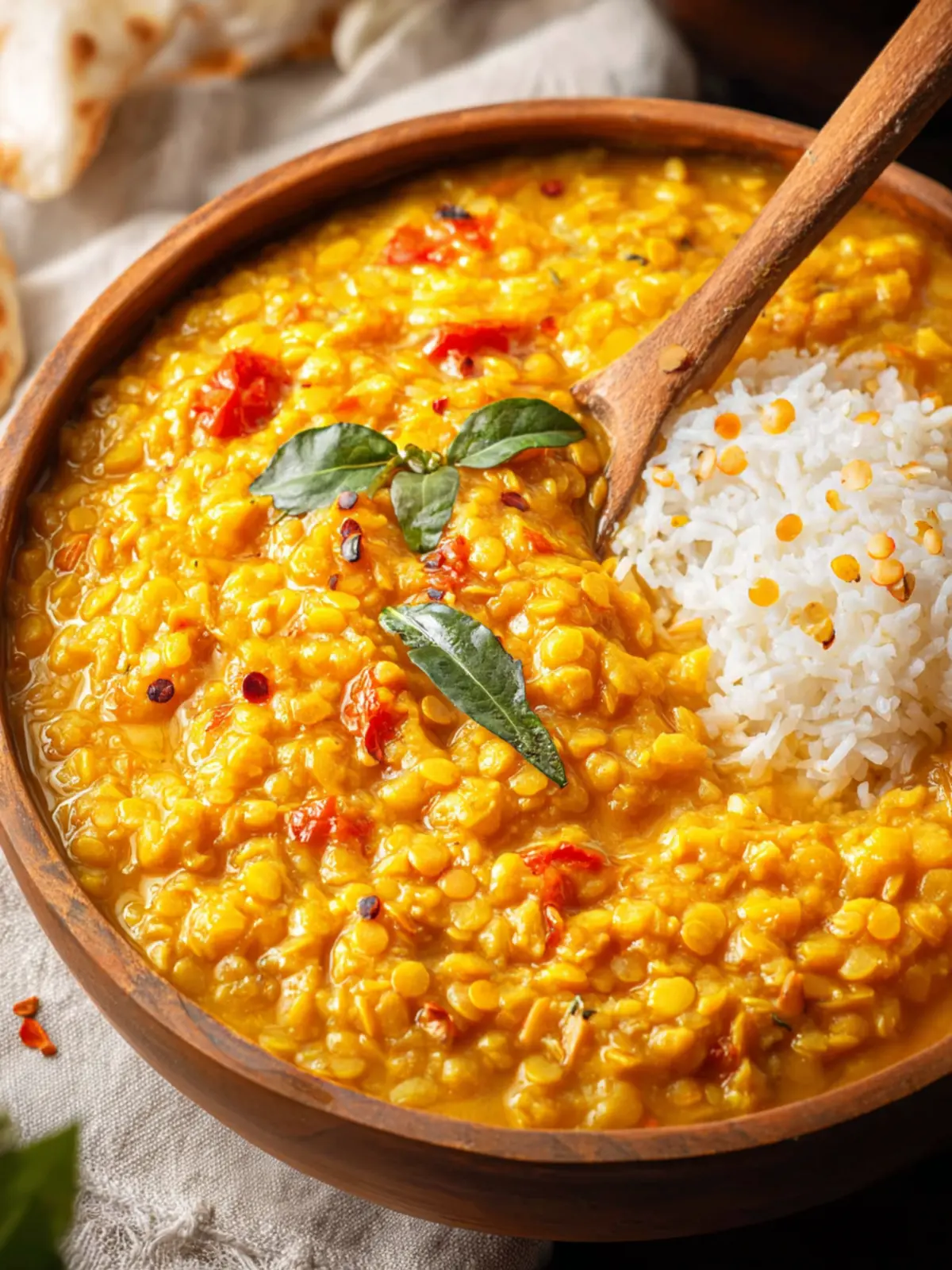
Key Ingredients for Moong Dal
Moong dal is a staple in many Indian households, bringing warmth and nourishment to the dinner table. This yellow split legume is not just delicious but packed with protein, making it a delicious choice for anyone looking to enjoy a hearty meal. Let’s delve into the essential ingredients that will elevate your moong dal dish.
Moong Dal: Naturally, the star of our dish is moong dal itself. I prefer using split yellow moong dal for its creamy texture and quick cooking time. If you’re in a pinch, a cup of green moong dal can also work, but it will take a bit longer to soften.
Water: The secret to a perfectly cooked moong dal lies in the water ratio. Typically, I use three cups of water for every cup of dal. This ensures that it cooks down to a delightful, velvety consistency.
Spices: A pinch of turmeric, cumin seeds, and coriander powder harmonizes the flavors beautifully. Turmeric not only colors the dal but also adds health benefits, while cumin delivers that aromatic twist.
Onion and Tomato: These fresh ingredients add depth and flavor. I like sautéing finely chopped onions until golden and then adding tomatoes for a tangy base.
Ginger and Garlic: Freshly minced ginger and garlic provide a robust flavor profile. The warmth of ginger complements the dish while garlic adds a savory layer.
These key ingredients come together to create a warming bowl of moong dal that is both comforting and nourishing. Enjoy crafting your perfect dish!
Why You’ll Love This Moong Dal
When you dive into the world of moong dal, you’ll discover an inviting dish that feels like a warm hug after a long day. This simple yet nourishing lentil recipe isn’t just food; it’s a celebration of vibrant flavors that can turn any meal into a special occasion. Picture yourself savoring a comforting bowl of this dal while putting your feet up, knowing you’ve just created something wholesome and satisfying.
A Nutritional Powerhouse
One reason you’ll adore moong dal is its impressive health benefits. Packed with protein, fiber, and essential vitamins, it’s a fantastic option for both vegetarians and health-conscious eaters. In fact, just one cup of cooked moong dal contains about 14 grams of protein — perfect for fueling your busy lifestyle.
Versatile Easy Cooking
This recipe is incredibly versatile, adapting to whatever spices and vegetables you have on hand. Feel free to experiment! Want to spice things up? Add some fresh ginger or a squeeze of lemon for a refreshing twist.
Comforting and Delicious
Lastly, the comforting warmth of moong dal is unmatched. You’ll find yourself craving its rich, earthy flavor and creamy texture. Whether paired with rice, naan, or enjoyed solo, this dish makes every bite an experience to savor. Ready to fall in love? Let’s get cooking!

Cooking Tips and Notes for Moong Dal
Preparing a delicious pot of moong dal can be both satisfying and straightforward, especially when you keep a few handy tips in mind. Drawing on experiences in my own kitchen, I’ve gathered some tried-and-true insights to elevate your dish.
Soaking Matters
Soaking your moong dal for at least 30 minutes before cooking is essential. This not only reduces cooking time but also promotes better digestibility. If you’re short on time, even a quick rinse will help.
Spice It Up
To enhance flavor, try toasting your spices before adding them to the moong dal. A few moments in hot oil can release oils and intensify flavors, making a huge difference in your final dish. Don’t shy away from experimenting with different spices; cumin seeds and mustard seeds work wonders.
Perfect Consistency
The water-to-dal ratio is crucial. Typically, 1 cup of moong dal to 3 cups of water is a good start, but adjust based on how thick or soupy you prefer your dal. If you prefer it creamier, a splash of coconut milk can do wonders.
Preserving Nutrients
Consider adding greens like spinach or kale toward the end of cooking. Not only do they add color and texture, but they also boost the nutritional value of your moong dal.
Making moong dal can be quick and enjoyable. With these tips, you’ll create a comforting bowl that is both hearty and delightful!
Serving Suggestions for Moong Dal
Embracing the comforting essence of moong dal can transform any meal into an inviting experience. This nutrient-packed lentil dish is immensely versatile, allowing you to explore various flavor pairings that can elevate your dining experience.
With Rice or Roti: Moong dal is the perfect companion for steamed basmati rice or whole wheat roti. The earthy flavors of the lentils combined with the simplicity of rice or bread create a wholesome meal that is satisfying and nourishing.
Accompaniments: A refreshing side salad with cucumber, tomatoes, and a squeeze of lime can cut through the richness of the dal. For those who crave a bit of crunch, papadam or a crispy vegetable fritter makes a delightful add-on.
Garnishes: Top your moong dal with a drizzle of ghee or a sprinkle of fresh cilantro before serving. Not only do these add a burst of flavor, but they also enhance the dish’s visual appeal.
Extras: For a complete meal, consider adding roasted vegetables or a side of pickles. The variety of textures and flavors will delight your taste buds and create a beautifully balanced plate.
By exploring these serving suggestions, you’ll discover how moong dal can effortlessly fit into various culinary contexts, making it a staple for both casual meals and special occasions.

Time Breakdown for Making Moong Dal
Creating a heartwarming bowl of moong dal can be a delightful experience if you plan your time wisely. This dish, often enjoyed as a comfort food, is not only nourishing but also a wonderful way to engage with Indian culinary traditions.
Preparation Time
Getting everything ready for your moong dal typically takes around 15-20 minutes. You’ll need to wash the lentils, chop any vegetables, and gather your spices. Don’t rush, as this initial step sets the foundation for your dish.
Cooking Time
Once you’re all set, cooking the moong dal will take approximately 30-40 minutes. Whether you are using a stovetop or a pressure cooker, the gentle simmer lets those flavors meld beautifully.
Total Time
In total, you should allocate about 50-60 minutes for a delicious pot of moong dal. With just under an hour, you can serve up a nourishing meal that not only satisfies but also warms the heart.
Nutritional Facts for Moong Dal
Moong dal, a delightful staple in many cuisines, offers a nutritious punch that can enhance any meal. This tiny green legume is not only versatile but also packed with health benefits.
Calories
In just one cup of cooked moong dal, you’ll find approximately 212 calories. This makes it a pretty light option for those watching their caloric intake while still giving you substantial energy.
Protein
One of the standout features of moong dal is its protein content. With around 14.2 grams per cup, it serves as an excellent source of plant-based protein, making it a fantastic choice for vegetarians and anyone aiming to bolster their protein intake.
Fiber
Fiber is crucial for digestive health, and moong dal does not disappoint with about 15 grams per cup. This high fiber content helps keep you feeling full, supports healthy digestion, and may even help maintain stable blood sugar levels.
With such impressive nutritional facts, cooking up a comforting dish of moong dal not only soothes the soul but also nourishes the body. Whether you’re preparing a simple soup or a hearty curry, you can feel good about adding this wholesome ingredient to your plate.
FAQs about Moong Dal
When it comes to the delicious and nutritious moong dal, many people have questions about its storage, preparation, and variations. Here are some answers to your most frequently asked questions, ensuring you get the best from this versatile ingredient.
What is the best way to store Moong Dal?
To keep your moong dal fresh, store it in an airtight container in a cool, dry place. If you purchase the dal in bulk, consider separating it into smaller portions to maintain its freshness longer.
- Tip: Keep it away from direct sunlight and moisture to prevent spoilage.
Can I freeze Moong Dal?
Absolutely! Freezing moong dal is a great way to extend its life. Once cooked, allow it to cool completely, then transfer it to freezer-safe containers or bags. When you’re ready to use it, simply thaw in the refrigerator overnight or do a quick reheat on the stove.
How can I adjust the spice levels in Moong Dal?
Adjusting the spice levels in your moong dal is easy! Start with the recommended spices in your recipe and adjust according to your preference.
- To increase heat: Add more green chilies or a dash of red chili powder.
- To mellow the flavor: Consider adding coconut milk or a dollop of yogurt when serving.
Are there any variations I can try?
Certainly! Moong dal is incredibly versatile. You could try:
- Adding vegetables: Incorporate spinach, carrots, or tomatoes for added nutrition and flavor.
- Changing the tempering: Use mustard seeds, curry leaves, or garlic to influence the taste.
- Creating a spiced variation: Include cumin and coriander for an earthy flavor or ginger for a zing.
Experimenting with these ideas can lead you to new and exciting dishes that celebrate the goodness of moong dal!
Conclusion on Moong Dal
In summary, moong dal is more than just a dish—it’s a comforting hug in a bowl. Rich in protein and easy to digest, it’s the perfect choice for anyone seeking nutritious meals without sacrificing flavor. As you savor the warm, aromatic lentils mixed with spices, you’ll discover a delightful balance that keeps you coming back for seconds. Whether enjoyed on its own or paired with rice or roti, moong dal fits effortlessly into both busy weekdays and leisurely weekend dinners. So, let’s embrace this simple yet nourishing dish—it’s way more than just food; it’s an experience waiting to happen!
Print
Tomato Mung Bean Dal
- Total Time: 45 minutes
- Yield: 4 servings 1x
- Diet: Vegetarian
Description
A hearty and flavorful dal made with mung beans and fresh tomatoes, perfect for serving with basmati rice or naan.
Ingredients
- 2 tablespoons olive oil
- 1 onion (chopped)
- 3 cloves garlic (grated)
- 1 inch ginger (grated)
- 1½ teaspoons ground coriander
- ¾ teaspoon ground cumin
- ½ teaspoon turmeric powder
- ¼ teaspoon red pepper flakes (or more to taste)
- 1 pound vine tomatoes
- 1 teaspoon salt (or more to taste + 2 twists black pepper optional)
- 1 cup split mung beans (also sold as moong dal)
- 4 cups vegetable broth
- 2 tablespoons lemon juice
- 1 teaspoon garam masala (optional)
- 1 tablespoon fresh cilantro (optional)
Instructions
- Cut 1 pound vine tomatoes into small dice. Set aside.
- In 2 tablespoons olive oil, sauté 1 chopped onion for 4 minutes or until soft. Add 3 cloves grated garlic and 1 inch grated ginger, cooking for one more minute while stirring.
- Add 1½ teaspoons ground coriander, ¾ teaspoon ground cumin, ½ teaspoon turmeric powder, and ¼ teaspoon red pepper flakes, stirring well.
- Add the chopped tomatoes, 4 tablespoons water, 1 teaspoon salt, and 2 twists black pepper. Cook on medium-high heat for 5 minutes or until the tomatoes turn into puree.
- Rinse 1 cup split mung beans and add them to the tomato-spice mix.
- Pour in 4 cups vegetable broth and simmer uncovered for 20 minutes or until mung beans are tender and dal is creamy.
- Before turning the heat off, stir in 2 tablespoons lemon juice and 1 teaspoon garam masala.
- Serve with your favorite sides and toppings, recommended with basmati rice or naan bread. Optional toppings include 1 tablespoon fresh cilantro, quick pickled onions, and yogurt.
Notes
- This dish is best enjoyed fresh but can be stored in the refrigerator for up to 3 days.
- You can adjust the spice levels according to your taste.
- Prep Time: 15 minutes
- Cook Time: 30 minutes
- Category: Main Dish
- Method: Stovetop
- Cuisine: Indian
Nutrition
- Serving Size: 1 cup
- Calories: 250
- Sugar: 4g
- Sodium: 600mg
- Fat: 9g
- Saturated Fat: 1g
- Unsaturated Fat: 4g
- Trans Fat: 0g
- Carbohydrates: 35g
- Fiber: 10g
- Protein: 12g
- Cholesterol: 0mg