

Introduction to Pasta Primavera
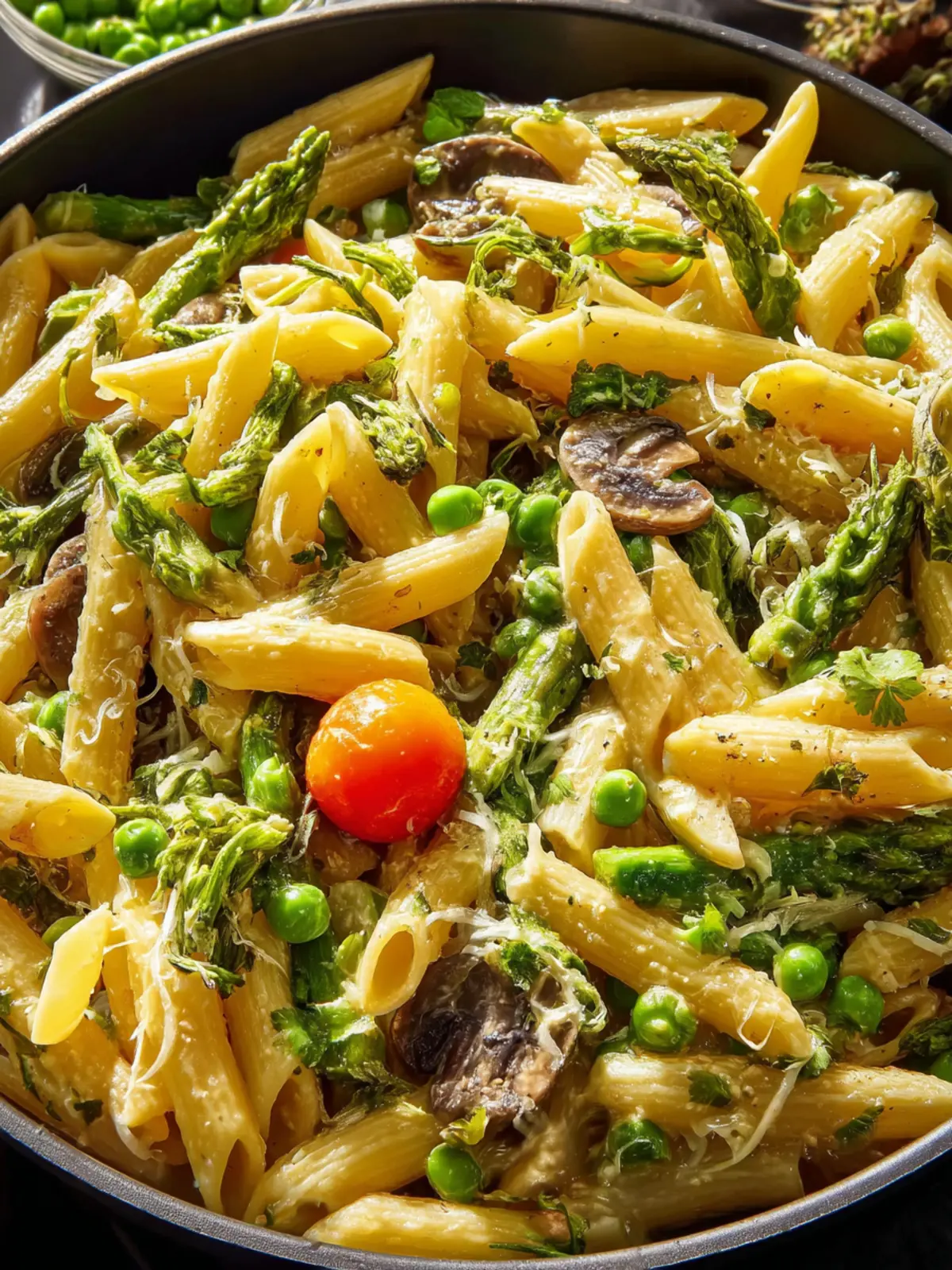
Pasta Primavera transcends mere sustenance; it encapsulates the essence of vibrant vegetables mingling harmoniously with al dente pasta, creating a dish that feels both joyful and comforting. Imagine sitting down to a plate brimming with colorful, fresh produce—zucchini, bell peppers, and cherry tomatoes—all tossed in a light, garlic-infused sauce. This delightful meal not only satisfies hunger but also evokes the freshness of a sunny day at a bustling Italian trattoria, making it a favorite among many food enthusiasts.
But what makes Pasta Primavera a go-to comfort dish? The secret lies in its versatility and ability to showcase seasonal vegetables, allowing you to tailor the dish to your liking or what’s available at your local market. Whether you’re a busy professional needing a quick weeknight dinner or someone looking to impress at a dinner party, Pasta Primavera delivers flavor without fuss. The crispness of the veggies brings a refreshing crunch that contrasts beautifully with the tenderness of the pasta.
Experience how the dish can be adapted; substitute with whatever vegetables are in season or even incorporate your favorite proteins such as grilled chicken or shrimp. The sauce—often a simple blend of olive oil, garlic, and Parmesan—ties everything together without overpowering the star ingredients. Unlike some heavy pasta dishes that leave you feeling sluggish, the light and bright character of Pasta Primavera makes it a dish you might even crave more than once a week.
Remember that cooking is not just about the ingredients but also about the experiences shared around the table. Imagine inviting friends over, serving them a hearty plate of bright, cheerful Pasta Primavera, and watching their eyes widen with delight as they dig in. It’s these moments that transform a simple meal into a cherished memory, one bowl of pasta at a time. So, shall we dive into creating this comfort dish that’s both a feast for the eyes and the taste buds?

Key Ingredients for Pasta Primavera
Pasta Primavera is a delightful ode to fresh vegetables and vibrant flavors, making it a go-to dish for anyone wanting to celebrate seasonal produce. As the vegetables shine in this dish, each ingredient plays a crucial role in achieving that perfect taste and texture.
Pasta: I prefer using penne or farfalle for their ability to hold onto the sauce and vegetables beautifully. Whole wheat pasta is a great alternative if you’re looking to add extra fiber to your meal.
Fresh Vegetables: A colorful mix like bell peppers, zucchini, broccoli, and cherry tomatoes adds vibrancy and nutrition. The key is to keep them crisp, so don’t overcook!
Olive Oil: Extra virgin olive oil enhances the dish’s flavor profile. It’s perfect for sautéing the vegetables and adds a rich, fruity taste.
Garlic: A couple of minced cloves of garlic elevate the aroma and infuse the entire dish with warmth and depth.
Parmesan Cheese: For that creamy finish, freshly grated Parmesan cheese is a must. It adds a savory note that ties all the ingredients together nicely.
Basil: Fresh basil leaves introduce a fragrant herbal touch, elevating the overall flavor of your Pasta Primavera.
Black Pepper and Salt: A pinch of salt and cracked black pepper at the end balances the flavors beautifully.
With these ingredients, you’ll be well on your way to crafting a delicious and colorful Pasta Primavera that is as pleasing to the eyes as it is to the palate. Enjoy the fresh taste of summer with every bite!
Why You’ll Love This Pasta Primavera
The joy of Pasta Primavera lies in its vibrant colors and fresh flavors that celebrate the beauty of seasonal vegetables. Imagine a dish where each bite delivers a crunch from crisp asparagus, sweetness from sun-ripened tomatoes, and the lushness of tossed spinach. It’s like taking a refreshing stroll through a farmer’s market in your own kitchen!
A Harmony of Flavors and Textures
Seasonal Vegetables: The beauty of Pasta Primavera is that it embraces whatever fresh veggies are available. Whether you toss in bell peppers, zucchini, or broccoli, each adds its unique flair and texture, making every forkful an adventure.
Light Yet Satisfying: You’re not just indulging; you’re also nourishing yourself. With a light sauce made from olive oil and garlic, this dish feels hearty without leaving you sluggish. It’s a perfect choice after a busy workday.
Quick and Versatile: On a tight schedule? No problem! This recipe only takes about 30 minutes to whip up, making it an ideal weeknight meal. You can even customize it with your favorite proteins, like grilled chicken or shrimp, for added satisfaction.
Ultimately, making Pasta Primavera at home allows you to connect with wholesome ingredients, and the result is not just a meal but a celebration of life’s simple pleasures. Enjoy it with a glass of wine and good company for an unforgettable dining experience!

Tips for Making Perfect Pasta Primavera
Creating a vibrant and delicious Pasta Primavera can transform your weeknight dinners into unforgettable experiences. Here are some essential tips to help you perfect this dish, ensuring each bite bursts with flavor and freshness.
Choose the Right Pasta
Opt for long pasta like spaghetti or fettuccine, which clings beautifully to the vegetables and sauce. Alternatively, whole grain or gluten-free pasta can provide extra nutrients while maintaining a satisfying texture.
Fresh is Best
For a spectacular Pasta Primavera, use a medley of fresh vegetables. Think bell peppers, zucchini, asparagus, and cherry tomatoes. The fresh produce not only enhances the dish’s color but also its nutrition and flavor. Choose seasonal veggies for the best taste and texture.
Don’t Overcook the Vegetables
To achieve that perfect al dente crunch, sauté your vegetables just until they’re tender but still vibrant. This preserves their natural sweetness and adds a delightful crispness to your dish.
Balance Your Flavors
Incorporate a balance of flavors by adding fresh herbs like basil or parsley. A squeeze of lemon juice can also brighten the dish, making it more refreshing. Taste as you go, adjusting the seasoning with salt and pepper for the ultimate flavor profile.
Serve Immediately
Pasta Primavera is best enjoyed fresh. Serve it right after cooking to keep the pasta and vegetables at their peak. If you need to make it ahead of time, store the pasta and sauce separately to prevent mushiness.
With these tips in your back pocket, you’re well on your way to whipping up a delightful Pasta Primavera that is sure to impress. Enjoy your culinary adventure!
Time Details for Pasta Primavera
Creating a delicious Pasta Primavera isn’t just about the flavors; it’s also about timing. Whether you’re whipping up dinner on a weeknight or preparing a meal for friends, knowing how long each step will take can make the process smoother.
Preparation Time
Getting everything ready for your Pasta Primavera takes about 15 minutes. You’ll want to chop those vibrant veggies and gather all your ingredients so your cooking can flow seamlessly.
Cooking Time
The actual cooking takes around 20 minutes. This includes boiling the pasta and sautéing the vegetables to perfection, ensuring that they remain crisp yet tender.
Total Time
In total, you’re looking at about 35 minutes from start to finish. In less time than it takes to binge-watch an episode of your favorite show, you’ll have a colorful and satisfying dish ready to be enjoyed!
Nutritional Information for Pasta Primavera
Creating a vibrant and healthy Pasta Primavera is not just a culinary delight; it also brings a wealth of nutritional benefits to your table. Let’s dive into the nutritional profile and see just how wholesome this dish can be.
Calories
A standard serving of Pasta Primavera typically contains around 300-350 calories. This makes it a satisfying and lower-calorie option compared to heavier pasta dishes. With a colorful medley of vegetables, you’re not just filling your stomach but nourishing your body, too.
Protein
You can expect about 10-12 grams of protein in each serving. Packed with nutrient-rich veggies such as bell peppers, zucchini, and asparagus, paired with whole-grain pasta, this dish also provides a great way to get your daily plant-based protein.
Sodium
One of the best aspects of making Pasta Primavera at home is controlling the sodium content. Typically, a serving contains around 300-400 mg of sodium, but this can vary based on your choice of added seasonings and sauces. Opting for fresh herbs and spices can help keep the sodium levels in check while boosting flavor.
A balanced plate of Pasta Primavera isn’t just a feast for the eyes; it’s also kind to your waistline and heart. Enjoy the freshness and health benefits with each forkful!
FAQs About Pasta Primavera
Pasta Primavera enjoys its fame as a vibrant and nutritious option for pasta lovers everywhere. It’s not just a dish, but a celebration of fresh vegetables, creating a colorful plate that tantalizes your taste buds while nourishing your body. In this section, we’ll answer some common questions about Pasta Primavera to help you savor every moment of preparing and enjoying this dish.
Can I make Pasta Primavera ahead of time?
Absolutely! Pasta Primavera is a great make-ahead dish. You can prep the vegetables and cook the pasta a day in advance. Combine them together with your desired sauce just before serving to keep everything fresh and vibrant. If you assemble it ahead of time, consider storing the pasta and sauce separately to prevent the noodles from becoming mushy.
What other vegetables can I add to Pasta Primavera?
One of the best aspects of Pasta Primavera is its versatility. While bell peppers, zucchini, and carrots are classic choices, feel free to get creative! Add:
- Broccoli or cauliflower for added crunch
- Cherry tomatoes for a juicy sweetness
- Asparagus for a touch of elegance
- Spinach or kale for a nutritious boost
It’s all about what’s in season or what you love most!
How do I store leftovers of Pasta Primavera?
Storing leftovers is simple! Place the remaining Pasta Primavera in an airtight container and store it in the refrigerator for up to 3 days. When you’re ready to eat, simply reheat it in a skillet over medium heat or in the microwave. A splash of olive oil or a sprinkle of water can help revive the pasta’s original texture, making it just as delightful the second time around!
Conclusion on Pasta Primavera
In conclusion, pasta primavera is not just a dish; it’s a colorful celebration of fresh vegetables and noodles that can brighten any meal. With its vibrant assortment of seasonal produce, this recipe invites creativity and adaptability—perfect for those busy weeknights or casual gatherings with friends. Whether you prefer zucchini, bell peppers, or even asparagus, considering what’s right in front of you each season can make this dish truly unique. So, grab your favorite ingredients, and let the beauty of pasta primavera inspire your next culinary adventure. Enjoy every delightful bite and watch it become a staple in your kitchen!
Print
Penne with Asparagus and Zucchini
- Total Time: 35 minutes
- Yield: 4 servings 1x
- Diet: Vegetarian
Description
A delicious pasta dish featuring penne, fresh vegetables, and a creamy cheese sauce.
Ingredients
- 12 oz penne (sub farfalle or fusilli + salt for pasta water)
- 2 tablespoons extra virgin olive oil
- ½ onion (chopped)
- 3 cloves garlic (grated)
- 2 cups mushrooms (button or cremini)
- 1½ cups asparagus (trimmed and cut into 1-inch pieces)
- 1 medium zucchini (quartered lengthwise and sliced)
- 1 cup frozen peas (no need to thaw)
- 1 cup zucchini flowers (stem removed and gently torn – optional but lovely)
- ½ cup Greek yogurt
- ½ cup Parmigiano Reggiano (grated, sub Grana Padano or Parmesan)
- ¼ cup Pecorino Romano (grated, optional – sub more parmesan)
- 1 teaspoon lemon zest (juice is optional)
- 1 handful fresh herbs (choose basil, thyme, or parsley)
Instructions
Sauté the Vegetables: In a large skillet, heat 2 tablespoons extra virgin olive oil over medium heat. Add ½ onion cooking for a couple of minutes until fragrant and soft. Add 2 cups mushrooms, 1½ cups asparagus, and 3 cloves garlic, season with salt and pepper, and cook until they release moisture and start to brown (3 – 4 minutes) followed by 1 medium zucchini, cooking for a few more minutes. Stir in 1 cup frozen peas and cook until warmed through. Turn heat off, add 1 cup zucchini flowers trimming off their stem and folding them in gently to wilt slightly. Taste and adjust for salt.
Cook the Pasta: Cook 12 oz penne in a large pot of salted boiling water as per package instructions minus 1 minute. Reserve 1 cup pasta water before draining.
Add Pasta and Cheese: Add the cooked pasta and ¼ cup of reserved pasta water to the skillet with the vegetables over medium heat for 1 minute, stirring to combine. Off the heat, stir in ½ cup Greek yogurt, ½ cup Parmigiano Reggiano, ¼ cup Pecorino Romano, and 1 teaspoon lemon zest gently until the cheese melts and the sauce becomes creamy. Add more pasta water as needed to loosen the sauce. Taste and season with salt, adding extra Parmesan if desired.
Serve Immediately: Plate and garnish with more cheese and 1 handful fresh herbs of choice.
Notes
- This recipe is versatile; feel free to substitute vegetables as per your preference.
- Reserve some pasta water to adjust the sauce consistency if needed.
- Prep Time: 15 minutes
- Cook Time: 20 minutes
- Category: Main Course
- Method: Stovetop
- Cuisine: Italian
Nutrition
- Serving Size: 1 serving
- Calories: 450
- Sugar: 2g
- Sodium: 300mg
- Fat: 18g
- Saturated Fat: 5g
- Unsaturated Fat: 10g
- Trans Fat: 0g
- Carbohydrates: 55g
- Fiber: 5g
- Protein: 15g
- Cholesterol: 15mg