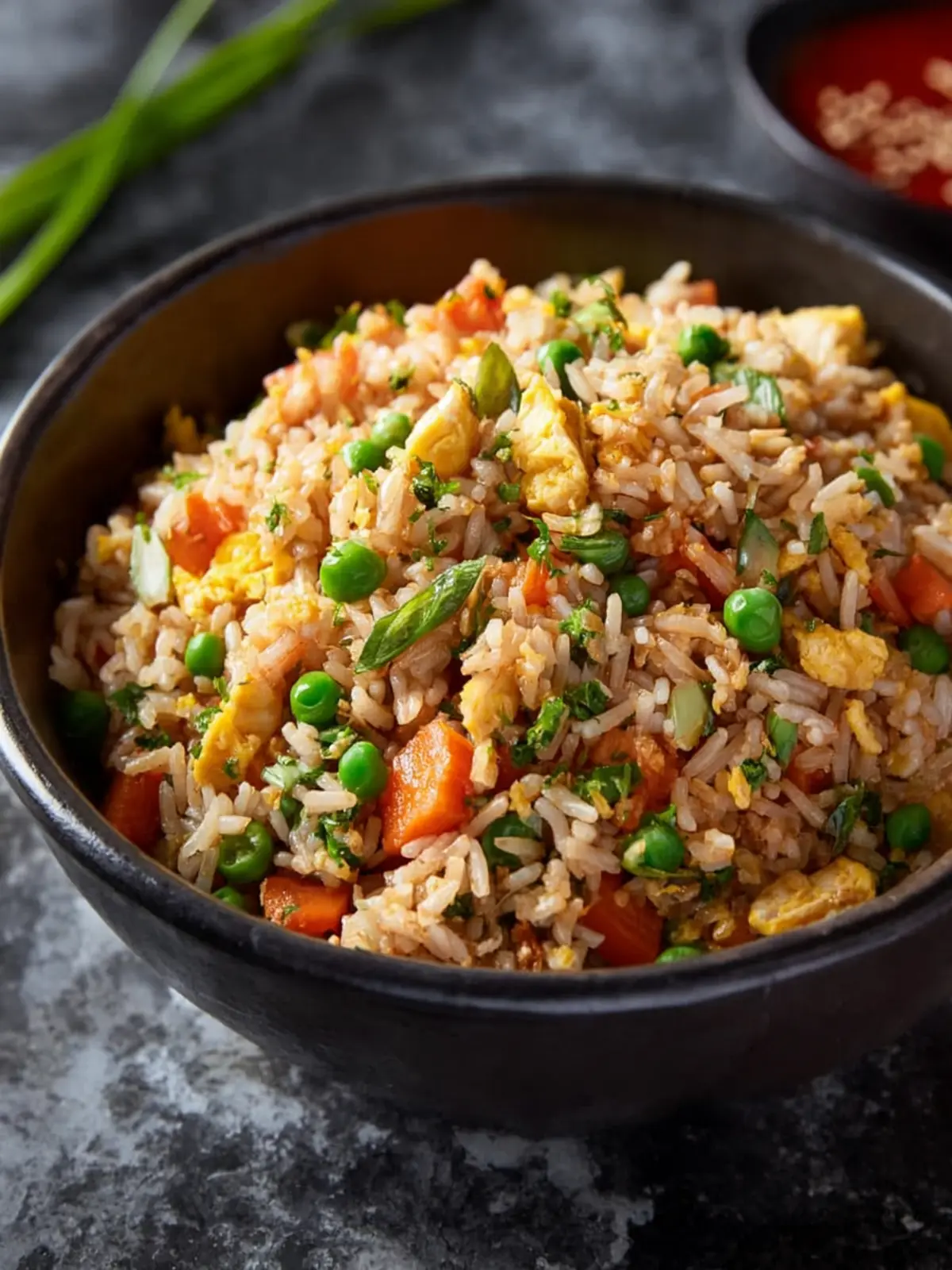
Introduction to Hibachi Fried Rice Recipe (Meatless)
Immersing yourself in the delightful world of a hibachi fried rice recipe offers not just a meal, but a vibrant experience that transports you to the bustling streets of Japan. Picture this: it’s Friday night, you’ve just clocked out, and the promise of a culinary adventure calls you home. Nothing beats the sizzle of a hot grill and the tantalizing aroma of rice and vegetables melding together in a harmony of flavors. This meatless take on hibachi fried rice invites you into a warm kitchen filled with the scents of garlic and soy sauce, creating a dish that’s as comforting as it is celebratory.
Hibachi fried rice holds a special place in many hearts. It’s not simply a side dish; it’s the star of the show, often gracing tables in teppanyaki restaurants, where chefs entertain and wow diners with their skills. The unique preparation method involving high heat infuses the rice with that smoky, charred flavor that sets it apart from traditional fried rice. Plus, this version caters to everyone, offering a delightful mix of veggies that doesn’t compromise on taste, proving that vegetarian meals can be both satisfying and robust.
What makes Hibachi Fried Rice so special?
The beauty of hibachi fried rice lies in its simplicity, yet the flavor complexity is what makes it so appealing. Here are a few reasons why this dish is a go-to:
High Heat Cooking: The quick cooking at high temperatures generates that irresistible slightly crispy texture, and each grain of rice soaks up the flavors beautifully.
Fresh Ingredients: This recipe showcases the vibrant colors and tastes of fresh vegetables—think crunchy carrots, snap peas, and green onions, bringing life to your bowl.
Flavor Boost: The addition of garlic, ginger, and soy sauce elevates your dish into a flavor powerhouse. The umami from the soy sauce complements the natural sweetness of vegetables beautifully.
Making hibachi fried rice at home not only saves you a trip to a restaurant but allows you to customize ingredients to your taste, ensuring that each bite is perfect for you. So, gather your ingredients and let’s dive into this easy yet delicious recipe!
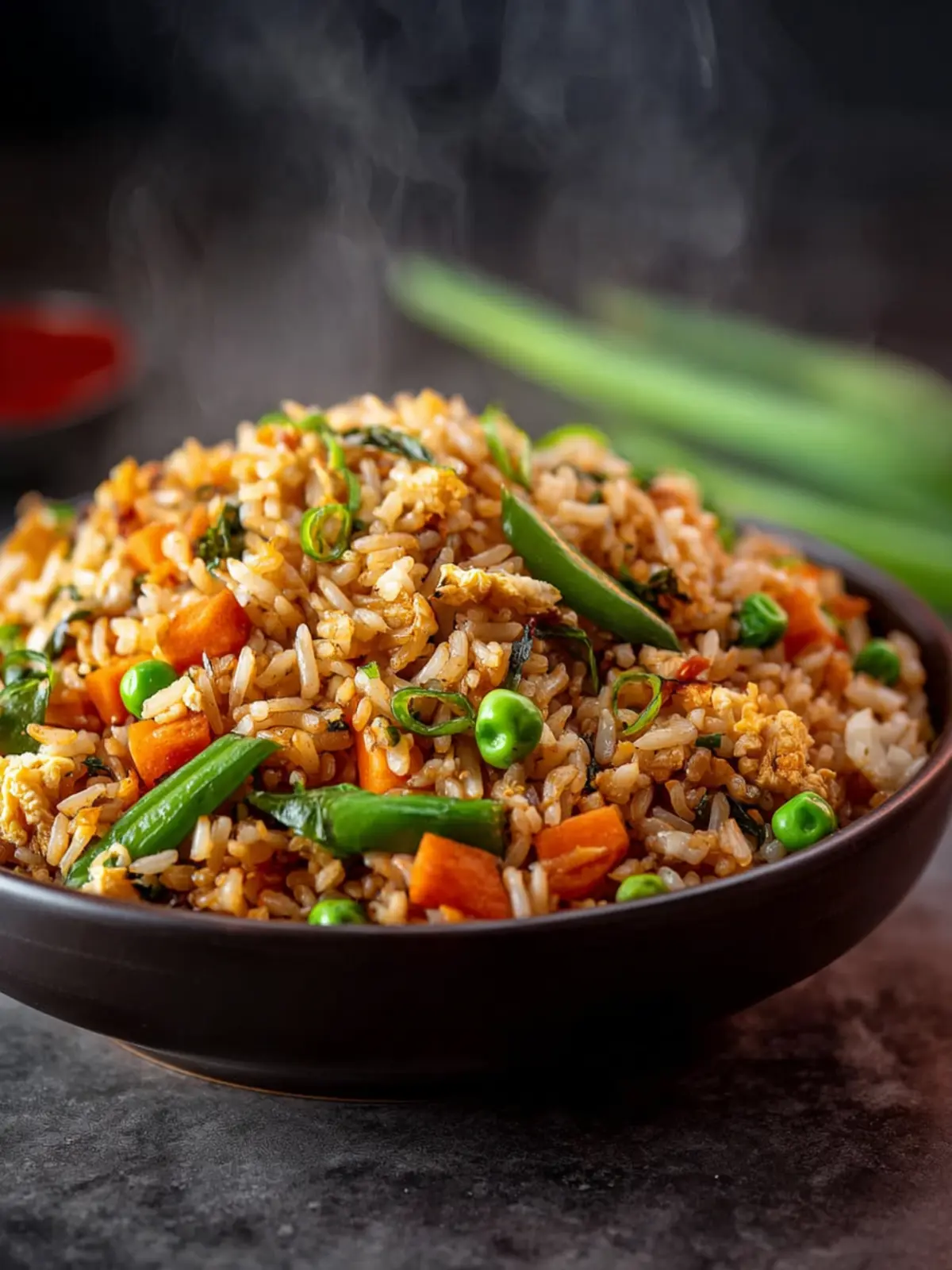
Key Ingredients for Hibachi Fried Rice Recipe
When preparing a delectable hibachi fried rice recipe, it’s all about the quality of your ingredients and how they come together to create that signature taste. Here’s what you’ll need to create a dish that captures the spirit of hibachi dining.
Rice: Ideally, use day-old cooked rice. This helps achieve that perfect texture without being mushy. Jasmine or basmati rice works wonderfully for their distinct fragrance and fluffiness.
Vegetables: A colorful mix, including carrots, bell peppers, peas, and green onions, adds both flavor and visual appeal. Fresh vegetables ensure your dish stays crisp and vibrant.
Soy Sauce: For that umami kick, opt for low-sodium soy sauce. It adds depth without overwhelming the dish’s flavor profile.
Sesame Oil: This gives your fried rice a rich nutty flavor. Just a drizzle will elevate the dish, bringing that authentic hibachi flair.
Eggs: A crucial ingredient in fried rice, eggs lend a creamy texture. Scramble them in the pan before adding your vegetables and rice for seamless integration.
Garlic and Ginger: These aromatics add a delightful zing and depth of flavor that are essential in a hibachi-inspired dish.
With these key components, you’re well on your way to creating a satisfying hibachi fried rice recipe that’s bursting with flavor and color!
Why You’ll Love This Hibachi Fried Rice Recipe
Hibachi fried rice has a way of transforming any meal into an exciting culinary experience. Picture yourself sitting around a sizzling grill with friends, the hypnotic sound of knives chopping vegetables, and the aroma of garlic wafting through the air. You can capture that magic in your own kitchen with this delicious meatless hibachi fried rice recipe that’s surprisingly simple to make.
Amazingly Flavorful Ingredients
The secret to a phenomenal hibachi fried rice lies in the freshness and quality of the ingredients.
- Rice: Using day-old rice is ideal because it’s drier, which prevents clumping. If you’re short on time, cook fresh rice and let it cool completely before using.
- Soy Sauce: This adds a rich umami flavor that brings all the components together. Opt for low-sodium soy sauce for a healthier twist.
- Vegetables: Feel free to get creative here. Classic choices like carrots, peas, and scallions brighten the dish while providing a satisfying crunch.
- Garlic and Onion: These aromatics serve as the flavor foundation, infusing the oil with delicious tastes.
- Sesame Oil: A drizzle of this nutty oil at the end adds depth and elevates the overall flavor profile.
Quick and Easy Prep
Making this hibachi fried rice at home is not only rewarding but also a fantastic way to enjoy a nourishing meal with friends or family. It comes together quickly, so you’ll spend less time cooking and more time savoring each delicious bite. Whether you’re a seasoned chef or a kitchen novice, this recipe will have you feeling like a pro in no time. Enjoy!
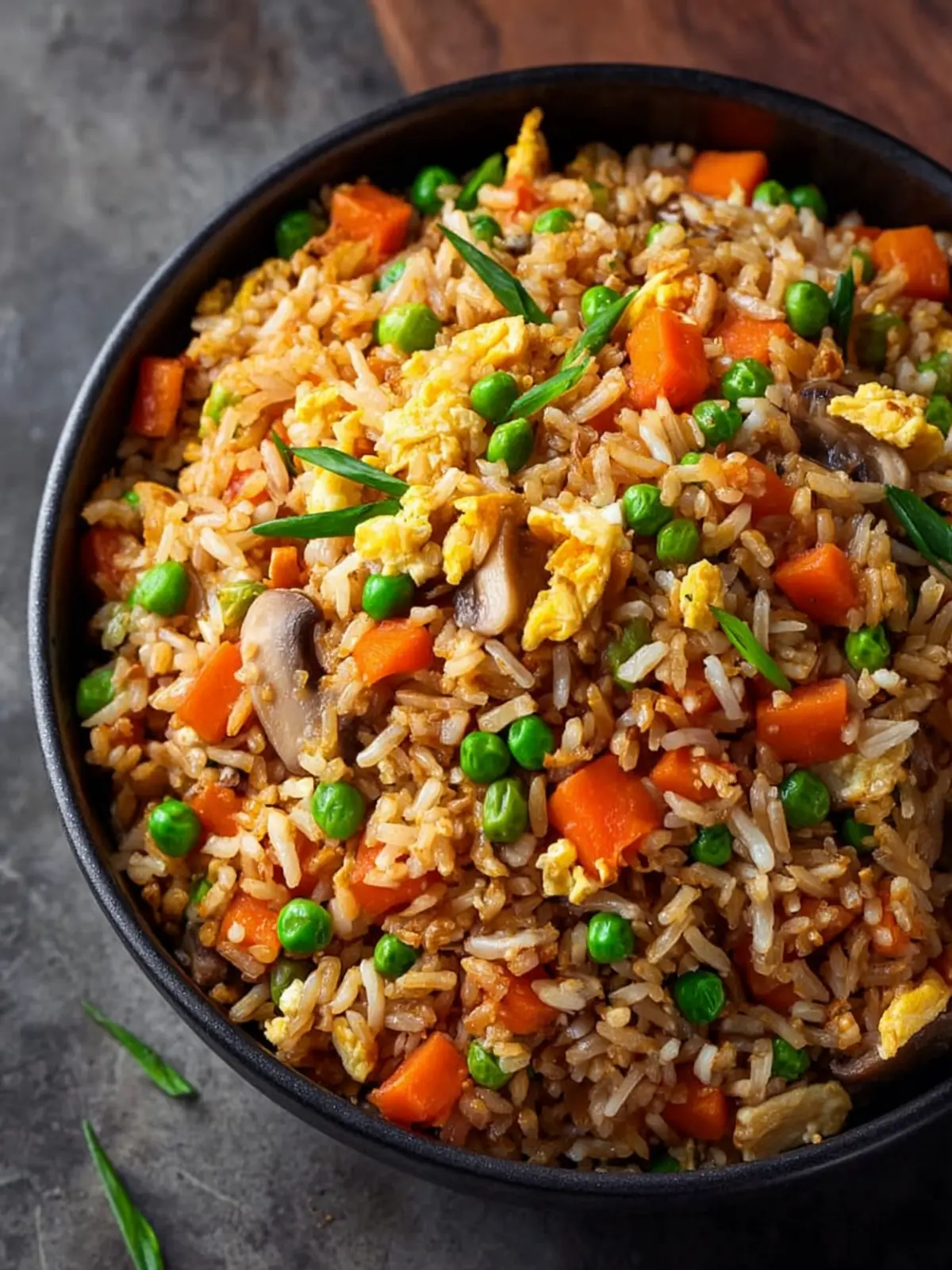
Variations of Hibachi Fried Rice
Hibachi fried rice is a versatile dish that welcomes creativity and experimentation. With a few adjustments, you can make it a personal favorite that suits your palate perfectly.
Add-ins and Substitutions
When it comes to your hibachi fried rice recipe, think outside the box. Consider adding:
- Tofu: A great protein alternative that absorbs flavors beautifully. Marinate it beforehand for an extra flavor boost.
- Edamame: These little green gems not only add color but also a wonderful texture and subtle sweetness.
- Tempeh or Seitan: Both offer a hearty substance if you’re looking for a meat-like protein without the meat.
If you’re short on ingredients, swap out vegetables for whatever you have on hand. Think bell peppers, zucchini, or even frozen mixed vegetables. Just remember to adjust cooking times accordingly.
Different Vegetable Combinations
The beauty of hibachi fried rice lies in its adaptability to various vegetable combinations. Here are some ideas:
- Classic mix: Carrots, peas, and green onions are a timeless choice that balances sweetness and freshness.
- Colorful medley: Combine broccoli, bell peppers, and snap peas for a vibrant dish that’s as appealing to the eye as it is to the taste buds.
- Seasonal favorites: Use vegetables that are in season for the freshest flavors, like asparagus in spring or squash in the fall.
No matter how you choose to customize your hibachi fried rice, you’re sure to create a dish that reflects your unique tastes and preferences. Enjoy experimenting!
Cooking Tips and Notes
Cooking Rice in Advance
Crafting the perfect hibachi fried rice recipe begins with how you prepare your rice. Cooking your rice in advance not only saves time but enhances the dish’s texture. Aim to use day-old rice if possible, as it’s drier and less sticky, allowing it to fry beautifully in the wok. When cooking, consider using slightly less water than usual, ensuring that the rice grains remain firm. After cooking, spread the rice out on a baking sheet to cool, preventing clumping.
Proper Heat Management in the Wok
Heat management is crucial for that signature charred flavor in your hibachi fried rice recipe. Preheat your wok over medium-high heat until it’s hot but not smoking. A well-heated wok will caramelize your vegetables and rice, delivering that coveted “wok hei” flavor. Once the oil is added, allow it to shimmer before adding your ingredients. If you notice anything starting to stick or burn, adjust the heat as needed. Remember, patience is key; too much heat too quickly can lead to uneven cooking. Enjoy the process, and watch as your dish transforms into a vibrant, flavorful masterpiece!
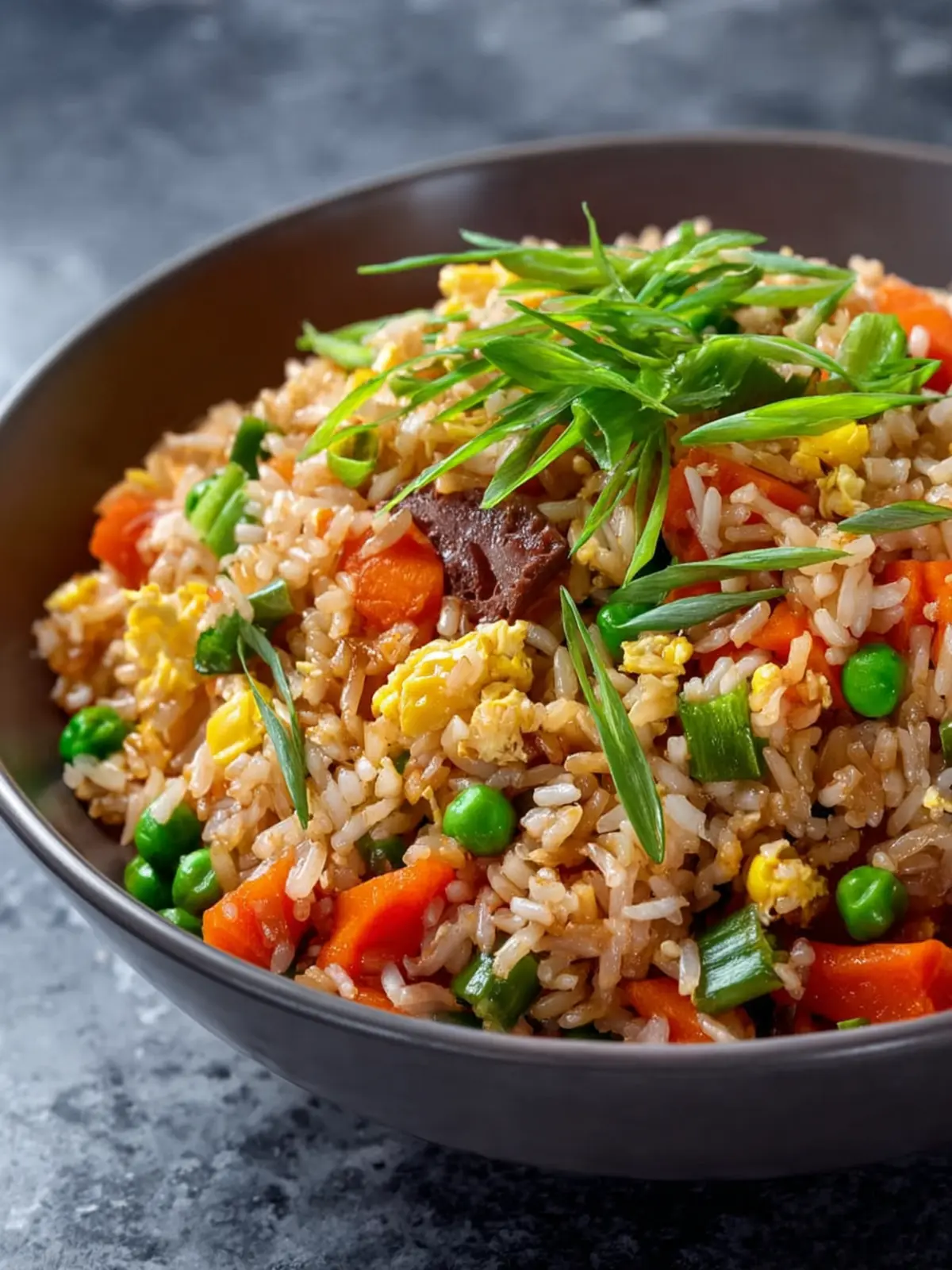
Serving Suggestions for Hibachi Fried Rice
Delightful servings of hibachi fried rice can transform any meal into an extraordinary experience. Beyond the comforting bowl of rice itself, consider the following tips to enhance your dining enjoyment.
Pairing with Side Dishes
To create a symphony of flavors, pair your hibachi fried rice recipe with side dishes like:
- Vegetable Tempura: Lightly battered and fried veggies that add a crispy contrast.
- Miso Soup: A warm, savory broth that complements the richness of the fried rice.
- Edamame: These steamed soybeans are a simple, protein-packed addition.
- Japanese Pickles: A crunchy, tangy side that adds an extra layer of taste.
Each of these sides amplifies the unique texture and flavor profile of your fried rice, ensuring every bite is memorable.
Ideal Serving Plates
When it comes to presentation, using the right dish can elevate your hibachi fried rice to a new level. Opt for:
- Woks or Deep Bowls: These can keep the fried rice warm and make serving easier.
- Chopstick-Friendly Plates: Think about wider surfaces that allow easy maneuvering.
- Traditional Japanese Tableware: Stylish ceramics can enhance the aesthetic, making at-home dining feel like a special occasion.
These thoughtful touches not only enhance the visual appeal but also contribute to an authentic dining experience reminiscent of a Japanese steakhouse.
Time Breakdown for Hibachi Fried Rice Recipe
When preparing a delightful hibachi fried rice recipe, understanding the time commitment can make all the difference between a rushed meal and a relaxed cooking experience.
Preparation Time
Before diving into the cooking process, you’ll want to gather and chop your ingredients. This typically takes around 15 minutes. Having everything prepped and ready will not only streamline your cooking but also help prevent any missed steps.
Cooking Time
The actual cooking time for your hibachi fried rice is about 10 to 15 minutes. This is where the magic happens! You’ll fry up your rice just like they do on the hibachi grill, ensuring each grain is well-coated and flavorsome.
Total Time
In total, you’re looking at approximately 30 minutes from start to finish. This time frame allows you to enjoy a scrumptious, homemade hibachi experience without spending hours in the kitchen. Enjoy the deliciousness!
Nutritional Facts for Hibachi Fried Rice Recipe
When whipping up a delicious hibachi fried rice recipe, it’s essential to understand what you’re really serving. This dish not only tantalizes your taste buds but also packs a nutritious punch! Here’s a breakdown of the key nutritional elements:
Calories
In a typical serving of this meatless hibachi fried rice, you can expect around 300 calories. It’s a satisfying option that won’t derail your health goals.
Protein
You’ll find about 8 grams of protein per serving, thanks to the combination of veggies and rice. This provides a solid base for muscle repair and overall wellness.
Fiber
With roughly 4 grams of fiber, this hibachi fried rice recipe supports healthy digestion. It’s a great way to feel full and nourished without excessive calories.
Overall, enjoying this hibachi fried rice means you’re making a nourishing choice that also delights your palate!
Frequently Asked Questions about Hibachi Fried Rice Recipe
Hibachi fried rice is a delightful dish that brings the vibrant flavors of Japanese cuisine to your kitchen. As you dive into making this hibachi fried rice recipe, you might have a few questions. Let’s explore some common ones to help you enjoy this tasty dish to the fullest!
Can I make this dish vegan?
Absolutely! The beauty of this hibachi fried rice recipe is its versatility. You can easily make it vegan by omitting any eggs and using a plant-based alternative for soy sauce or opting for a gluten-free version if needed. You can also add tofu or extra vegetables like bell peppers and mushrooms for more texture and flavor. This way, you’ll create a satisfying and delicious vegan meal that everyone can enjoy.
What if I don’t have a wok?
While a wok is traditional for hibachi cooking, don’t panic if you don’t have one. A large skillet or sauté pan will work just fine! The key is to ensure it’s wide enough to allow the rice to spread out, which promotes even cooking and browning. Just remember to heat it well before adding the ingredients to get that signature fried texture.
How do I store leftovers?
Storing your hibachi fried rice leftovers is easy! Let the fried rice cool completely before transferring it to an airtight container. You can keep it in the refrigerator for up to four days. When you’re ready to enjoy, reheat it in a pan over medium heat, adding a splash of soy sauce if needed to bring back that delicious flavor. Enjoy your meal again!
Conclusion on Hibachi Fried Rice Recipe
After diving into this delightful hibachi fried rice recipe, it’s clear that this dish not only satisfies cravings but also brings a bit of the Japanese grill experience right into your kitchen. With vibrant vegetables, savory soy sauce, and the perfect texture from the rice, it’s a meal that can easily impress guests or serve as a comforting weeknight dinner.
Experimenting with the ingredients allows you to customize flavors to your liking, making each cooking session unique. So why not whip up a batch soon? Trust me, once you make this hibachi fried rice, you’ll want it on your dining table regularly!
Print
Fried Rice
- Total Time: 25 minutes
- Yield: 4 servings 1x
- Diet: Vegetarian
Description
A delicious and easy fried rice recipe made with day-old rice, vegetables, and optional eggs.
Ingredients
- 3 cups cooked white rice (day-old works best)
- 1 small onion, finely chopped
- 1 medium carrot, diced
- ½ cup frozen peas (thawed)
- 2 tablespoons sesame oil
- 2 large eggs (optional for vegetarians who consume eggs)
- 3 tablespoons soy sauce (or tamari for gluten-free)
- 1 tablespoon butter
- 2 tablespoons unsalted butter (softened)
- 2 garlic cloves, finely minced
- 1 teaspoon soy sauce
Instructions
- Cook your rice a day in advance for best texture.
- Combine softened butter, minced garlic, and soy sauce in a small bowl. Mix thoroughly until it forms a smooth paste.
- Chop the vegetables into small, uniform pieces to ensure even cooking.
- Whisk the eggs in a bowl if using them. Measure out your soy sauce and sesame oil for easy access.
- Heat a large steel wok pan over medium-high heat. Add sesame oil and let it heat for a few seconds. Toss in diced onions and carrots. Sauté for 3–4 minutes, stirring frequently.
- Add peas and any optional add-ins, like mushrooms or tofu, and cook for another 2 minutes.
- Push vegetables to one side of the wok pan. Pour whisked eggs into the empty side and scramble them quickly. Once cooked, mix eggs with the vegetables.
- Increase heat to high and add cooked rice to the pan. Break up any clumps with a spatula, ensuring rice mixes evenly with vegetables. Stir-fry for 2–3 minutes, allowing rice to warm through.
- Drizzle soy sauce over rice while stirring continuously. Stir in prepared garlic butter, making sure it coats every grain of rice.
- Continue cooking for another 2–3 minutes until rice is slightly crispy at the edges and infused with flavor.
Notes
- You can add additional protein such as chicken, shrimp, or tofu as desired.
- For the best results, use day-old rice to prevent mushiness.
- Prep Time: 10 minutes
- Cook Time: 15 minutes
- Category: Main Dish
- Method: Stir-Fry
- Cuisine: Asian
Nutrition
- Serving Size: 1 cup
- Calories: 350
- Sugar: 2g
- Sodium: 600mg
- Fat: 18g
- Saturated Fat: 6g
- Unsaturated Fat: 10g
- Trans Fat: 0g
- Carbohydrates: 40g
- Fiber: 2g
- Protein: 8g
- Cholesterol: 120mg