
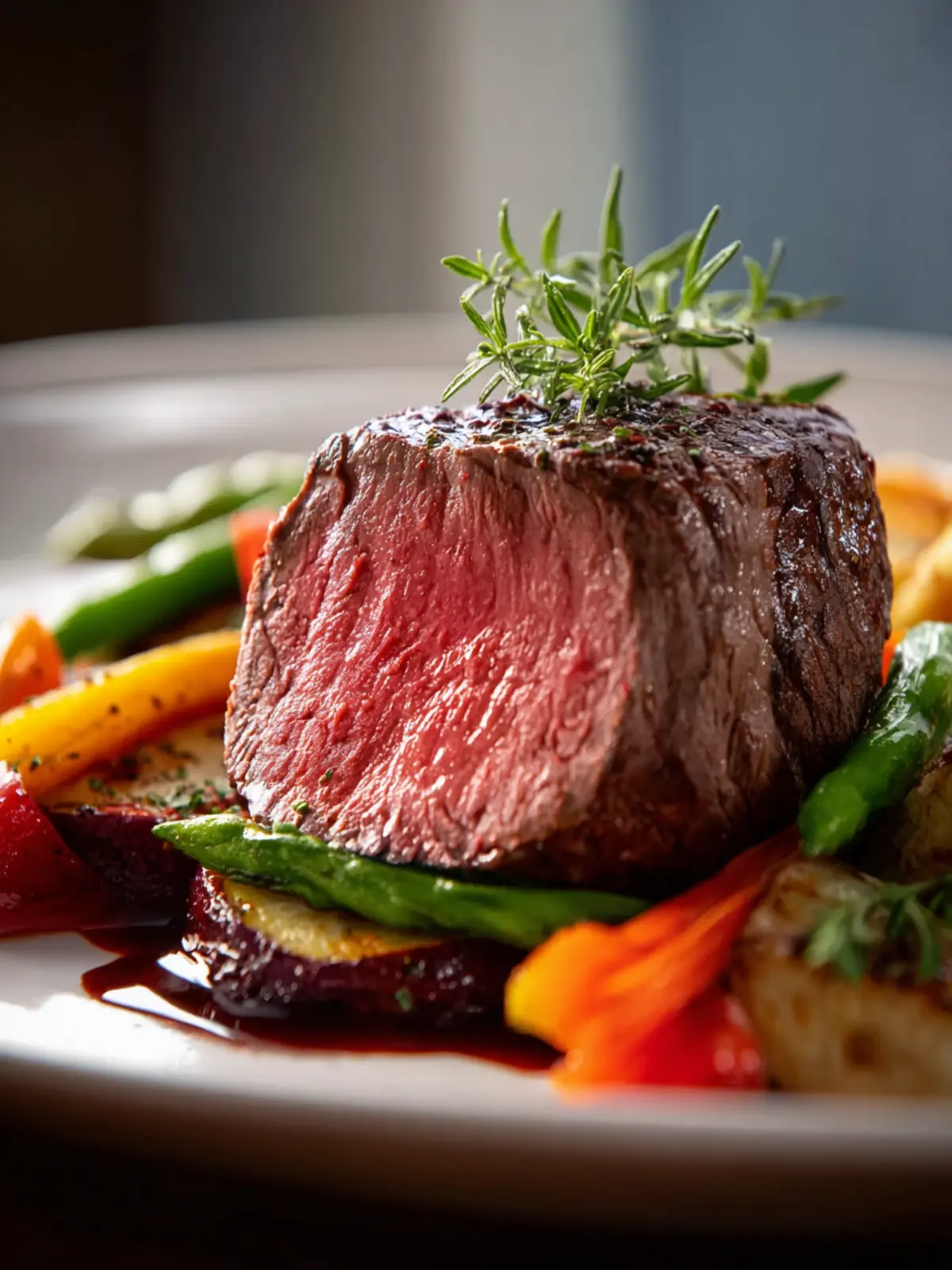
Introduction to Healthy Beef Tenderloin
Healthy beef tenderloin is more than just a meal; it’s an experience that elevates your dining table while supporting your lifestyle goals. Imagine a perfectly seared cut of beef, tender and juicy, filling your kitchen with savory aromas that make your mouth water. This is not just any cut of meat; this is healthy beef tenderloin, a culinary delight that offers a treasure trove of nutrients without sacrificing flavor.
What makes healthy beef tenderloin so special? This succulent cut is renowned for its lean quality, making it an excellent source of protein while being lower in fat compared to other cuts of beef. It contains essential nutrients like iron and B vitamins that keep your energy levels up and your body functioning at its best. Plus, you have the versatility to prepare it in various ways—from a quick weeknight dinner to an impressive centerpiece for a dinner party.
By choosing high-quality beef, you are also making better dietary choices. Experts recommend lean meats as part of a balanced diet, and healthy beef tenderloin fits that bill splendidly. Not only does it support muscle growth and repair, especially for those with active lifestyles, but it also aids in overall wellness. When cooked properly, this beef retains its natural juices, making each bite a tender morsel of flavor that can’t be ignored.
In a world increasingly focused on health and nutrition, the kitchen is the perfect frontier for exploring delicious, guilt-free meals. Preparing healthy beef tenderloin allows you to experiment with flavors and cooking techniques, while also offering a satisfying dine-in experience. The beauty of this dish lies in its ability to bring friends and family together over a hearty meal that everyone can enjoy, fostering connections in an age where healthy eating often feels isolating.
Set your culinary worries aside and embrace the richness of healthy beef tenderloin. You’ll find it’s not just about eating healthy; it’s about enjoying your food in the most delicious way possible. So, how about we dive into the recipe?
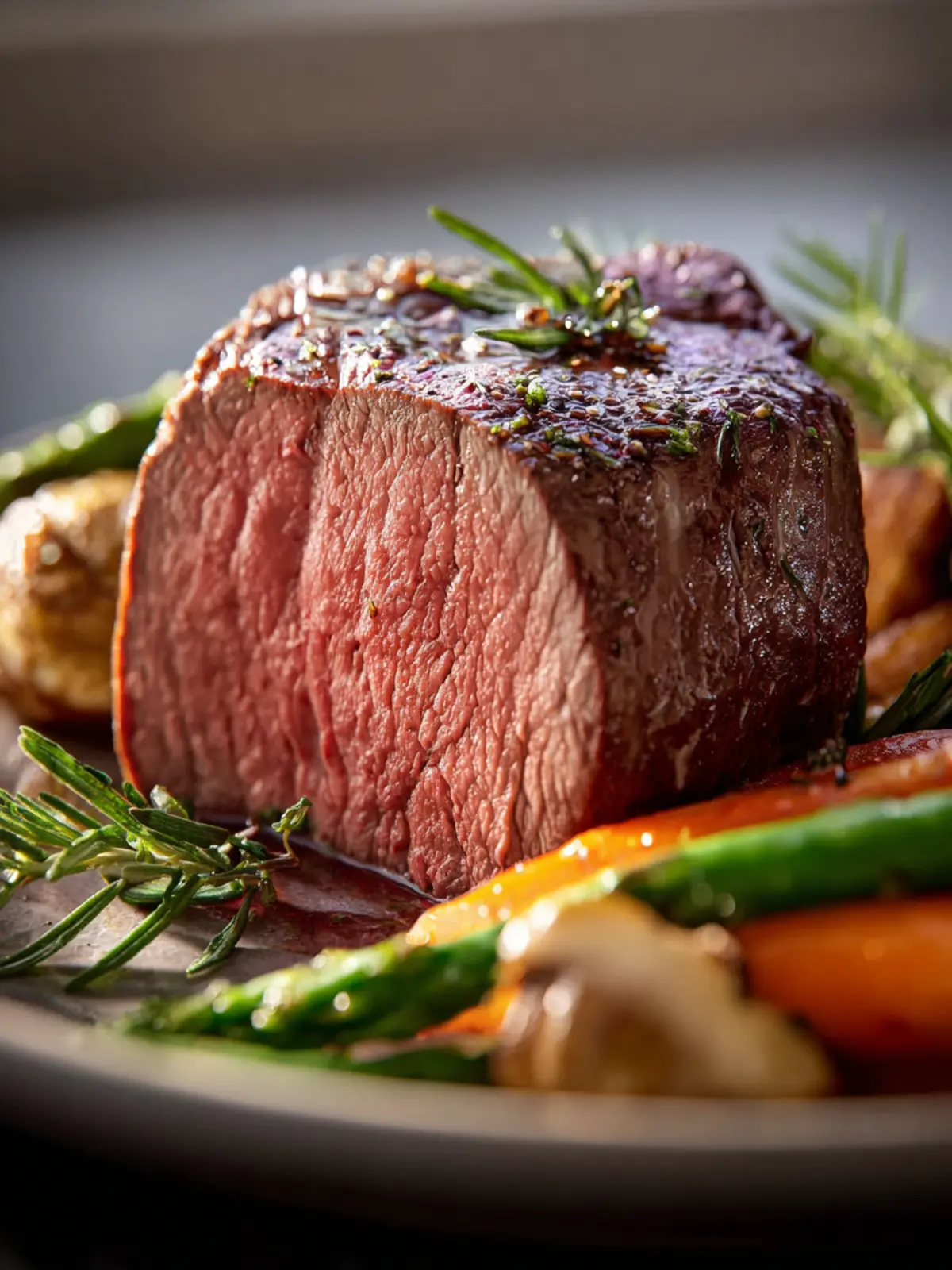
Key Ingredients for Healthy Beef Tenderloin
Beef Tenderloin: The star of your dish, beef tenderloin offers a rich, buttery flavor without excessive fat. Opt for grass-fed options if available, as they are leaner and often have higher omega-3 content compared to grain-fed beef, making your meal both tasty and nutritious.
Olive Oil: This healthy fat not only enhances the flavor but also makes your healthy beef tenderloin tender and juicy. I recommend using extra virgin olive oil for its heart-healthy properties and robust taste.
Garlic: Fresh minced garlic is essential for adding depth to the dish. I love sautéing garlic briefly to release its aroma before seasoning the meat.
Herbs: Fresh herbs like rosemary and thyme bring a vibrant freshness that complements the beef beautifully. These herbs not only enhance the flavor profile but also provide antioxidants.
Salt and Pepper: Simple yet effective, high-quality sea salt and freshly cracked black pepper allow the natural flavors of the beef to shine while seasoning it to perfection.
By choosing these key ingredients, you ensure that your healthy beef tenderloin is delicious and nourishing, ready to impress at any dinner gathering.
Why You’ll Love This Recipe
Indulging in a healthy beef tenderloin recipe doesn’t just mean you’re treating yourself to a delicious meal; it’s about enjoying a dish that nourishes both your body and your palate. This particular recipe strikes a balance between rich flavors and health-conscious ingredients, ensuring that you can savor every bite without the guilt.
Here are just a few reasons why this recipe will become a staple in your weeknight meal plans:
Flavor without Compromise: The marinated beef tenderloin soaks up various spices that create a depth of flavor, elevating your dining experience. It’s like having a restaurant-quality dish right at home!
Nutrient-Rich Ingredients: Lean cuts of beef provide essential nutrients like protein, zinc, and iron, all of which are vital for maintaining energy levels and supporting an active lifestyle.
Versatility: This healthy beef tenderloin can be paired with an array of sides—from roasted vegetables to a light salad, accommodating diverse dietary preferences and tastes.
Quick Preparation: For the busy young professional, this recipe is quick to prepare, taking only about 30 minutes from start to finish. You’ll be amazed at how easy it is to whip up a gourmet meal.
We’re not just making food; we’re making memories, and there’s nothing quite like sharing a delightful meal with friends or family. After trying this recipe, you might just find yourself planning your next get-together around it!

Cooking Tips for Healthy Beef Tenderloin
Creating a mouthwatering healthy beef tenderloin dish doesn’t just rely on the ingredients; it’s also about the cooking process, which allows those flavors to shine. Here are some helpful tips to ensure your tenderloin turns out succulent and satisfying.
Choosing Quality Cuts
Select a high-quality cut of beef tenderloin. Look for certified grass-fed options, as they tend to be leaner and richer in nutrients. It’s important to know that quality matters—grass-fed beef usually has more omega-3 fatty acids, which are great for your heart.
Marinade for Flavor
Enhancing your healthy beef tenderloin with a marinade can elevate its flavor. A mixture of olive oil, garlic, rosemary, and balsamic vinegar works wonders. Allow the meat to marinate for at least one hour (or even overnight) to let those flavors seep in.
Cooking Temperature Matters
For a perfectly tender outcome, remember the magic temperature rule. Aim for medium-rare by cooking until the internal temperature reaches about 135°F. Using a meat thermometer takes the guesswork out of it and helps you avoid overcooking.
Rest Before Serving
This is a crucial step that many overlook. Let your beef tenderloin rest for at least 10 minutes after cooking. This helps the juices redistribute, ensuring each slice is juicy rather than dry.
With these simple yet effective tips, you’re on your way to preparing one of the healthiest and most flavorful beef tenderloin dishes around!
Time Breakdown for Healthy Beef Tenderloin
Cooking a healthy beef tenderloin is a rewarding experience that brings together flavor and nutrition in a single dish. Here’s how you can effectively manage your time to create this delightful meal.
Preparation Time
Getting ready for your healthy beef tenderloin takes about 15 minutes. This includes gathering your ingredients, trimming the beef, and preparing any marinades or seasonings that will enhance its natural flavors.
Cooking Time
For a perfectly cooked tenderloin, you can expect to spend around 30 to 35 minutes in the oven or on the grill. Depending on your desired level of doneness, this time may vary slightly, but keeping an eye on the internal temperature will ensure your meat turns out just right.
Total Time
All in all, from start to finish, your healthy beef tenderloin will take about 50 to 55 minutes. This includes both preparation and cooking time, making it an excellent choice for both weeknight dinners and special occasions. Enjoy the process and the delicious outcome!
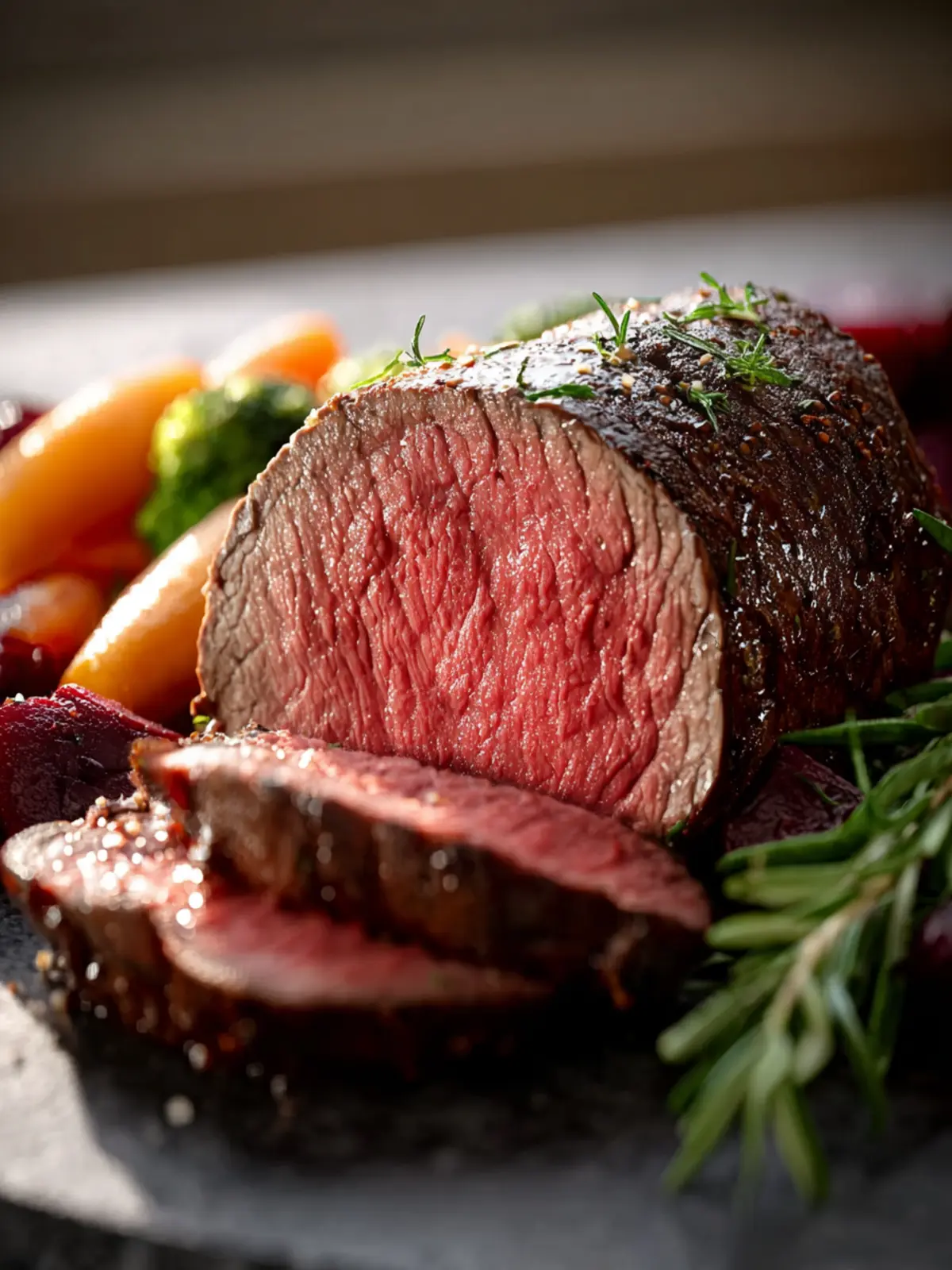
Nutritional Facts for Healthy Beef Tenderloin
When savoring a delectable healthy beef tenderloin, it’s essential to appreciate the nutritional benefits packed in this tender cut. Let’s break down the key nutritional facts to enrich your dining experience.
Calories
A 3-ounce serving of healthy beef tenderloin typically contains around 180-200 calories, making it a lean option for a satisfying meal. This nutritious balance allows you to indulge without straying from your health goals.
Protein
One of the standout features of healthy beef tenderloin is its high protein content. With approximately 26 grams of protein per serving, it’s an exceptional source of essential amino acids, supporting muscle growth and overall health.
Sodium
Compared to other meat options, healthy beef tenderloin is relatively low in sodium, usually containing about 60-70 mg per serving. This makes it a heart-friendly choice, particularly when prepared without extra seasoning or sauces.
FAQs about Healthy Beef Tenderloin
Cooking a healthy beef tenderloin can be both fulfilling and delicious, but it’s common to have questions as you embark on this culinary journey. Here are some frequently asked questions designed to make your cooking experience easier and more enjoyable.
How do I achieve the perfect sear on beef tenderloin?
Getting that beautiful and flavorful sear on your healthy beef tenderloin is essential. Start by ensuring your beef is at room temperature before cooking. Pat it dry with paper towels to remove any moisture — this is key for a good crust. Preheat your skillet to medium-high heat and add a drizzle of oil. Once the oil is shimmering, place the tenderloin in the pan without overcrowding. Avoid moving it around; let it sit for about 3-4 minutes on each side until a golden-brown crust forms. Finish searing the ends for an extra touch!
What’s the best way to know when beef is cooked to my preference?
To achieve your desired doneness with healthy beef tenderloin, using a meat thermometer is the most reliable method. Insert it into the thickest part of the meat without touching bone. Here are some temperature guidelines:
- Rare: 125°F (52°C)
- Medium Rare: 135°F (57°C)
- Medium: 145°F (63°C)
- Medium Well: 150°F (66°C)
- Well Done: 160°F (71°C) and above
Remember, the meat will continue to cook slightly after being removed from heat.
Can I customize the vegetables used in this recipe?
Absolutely! One of the great things about the healthy beef tenderloin recipe is its versatility. Feel free to swap out the suggested vegetables for your favorites or what’s in season. To keep meals nutritious, consider using options like zucchini, asparagus, bell peppers, or even sweet potatoes. Just remember to adjust cooking times based on the vegetables you choose to ensure everything is perfectly tender and delicious!
Conclusion on Healthy Beef Tenderloin
In wrapping up our exploration of healthy beef tenderloin, it’s clear that this dish isn’t just a feast for the senses; it’s also a wonderful way to nourish your body. Sourced from lean cuts, beef tenderloin is packed with protein and essential nutrients while remaining low in fat. By following the recipe’s straightforward steps—seasoning with fresh herbs and cooking it to perfection—you create a flavorful centerpiece for any dinner table. This dish embodies indulgence without compromising on health, making it a perfect choice for those seeking to maintain a balanced lifestyle. Enjoy each bite of your delicious creation!
Print
Beef Tenderloin
- Total Time: 50 minutes
- Yield: 4 servings 1x
- Diet: Gluten-Free
Description
A delicious Beef Tenderloin recipe with roasted vegetables.
Ingredients
- 1 whole beef tenderloin
- 2 tablespoons extra virgin olive oil
- 1 bunch asparagus spears
- 1 cup broccoli florets
- 1 cup bell peppers (any shade)
- 1 cup green beans
- 2 cups baby spinach
- 2 sweet potatoes
- 2 carrots
- 4 cloves freshly minced garlic
- 2 thinly sliced shallots
- 1 tablespoon fresh rosemary
- 1 tablespoon fresh thyme
- 1 tablespoon fresh oregano
- 2 teaspoons coarse sea salt
- 1 teaspoon freshly ground black pepper
- 1 teaspoon garlic powder
- 1 teaspoon onion powder
- 1 teaspoon smoked paprika
- 1 cup low-sodium beef broth (optional)
- 2 tablespoons balsamic vinegar (optional)
- 2 tablespoons fresh lemon juice (optional)
Instructions
- If you have a larger tenderloin roast, slice it into individual steaks about 1 to 1.5 inches thick. Pat the steaks thoroughly dry with paper towels; this is a critical step for achieving a beautiful sear! Season generously on all sides with sea salt, freshly ground black pepper, and your favorite seasonings like garlic powder and a pinch of dried rosemary. Let them sit at room temperature for about 15-20 minutes while you prep your veggies.
- Preheat your oven to 400°F (200°C). On a large baking sheet, spread out your chosen quick-cooking vegetables (like asparagus, broccoli, bell peppers, or thin-sliced sweet potatoes). Drizzle with a tablespoon of olive oil, season with salt, pepper, and perhaps some dried thyme or minced garlic. Toss to coat evenly.
- Heat a heavy-bottomed skillet (cast iron works wonderfully) over medium-high heat until it’s smoking slightly. Add a tablespoon of olive oil. Carefully place the seasoned tenderloin steaks in the hot pan, ensuring not to overcrowd it (cook in batches if necessary). Sear for 2-3 minutes per side until a beautiful, deep brown crust forms.
- For thicker steaks (1 inches or more) or if you prefer a more even cook, transfer the seared steaks directly to the baking sheet with the vegetables. Place the baking sheet in the preheated oven.
- Roast for 8-15 minutes, depending on the thickness of your steaks and your desired doneness. For medium-rare, aim for an internal temperature of 130-135°F (54-57°C). For medium, aim for 135-140°F (57-60°C). Use a meat thermometer inserted into the thickest part of the steak for accuracy. Your vegetables should be tender-crisp by this time.
- Once cooked to your liking, remove the steaks from the oven and transfer them to a cutting board. Tent loosely with foil and let them rest for at least 5-10 minutes.
- Slice the tenderloin against the grain if desired, and serve immediately with the roasted vegetables. You can drizzle any pan juices from the resting board over the meat and veggies for extra flavor.
Notes
- Letting the meat rest before slicing helps keep it juicy.
- Adjust cooking time based on steak thickness and preferred doneness.
- Pair with a side salad for a complete meal.
- Prep Time: 20 minutes
- Cook Time: 30 minutes
- Category: Main Course
- Method: Roasting
- Cuisine: American
Nutrition
- Serving Size: 1 steak with vegetables
- Calories: 450
- Sugar: 5g
- Sodium: 600mg
- Fat: 20g
- Saturated Fat: 8g
- Unsaturated Fat: 10g
- Trans Fat: 0g
- Carbohydrates: 30g
- Fiber: 7g
- Protein: 45g
- Cholesterol: 125mg